He came to study. He stayed to serve.
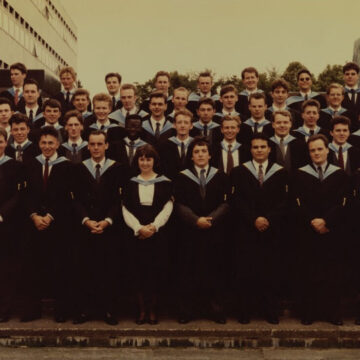
Paul Woodman arrived in Southampton in 1989, ready to study mechanical engineering. When he stepped off the train at Southampton Central for the first time, he remembers thinking: “This is where I belong.”
More than three decades later, he is still here – not working as a mechanical engineer, but helping to make the city a better place for some of its most vulnerable residents.
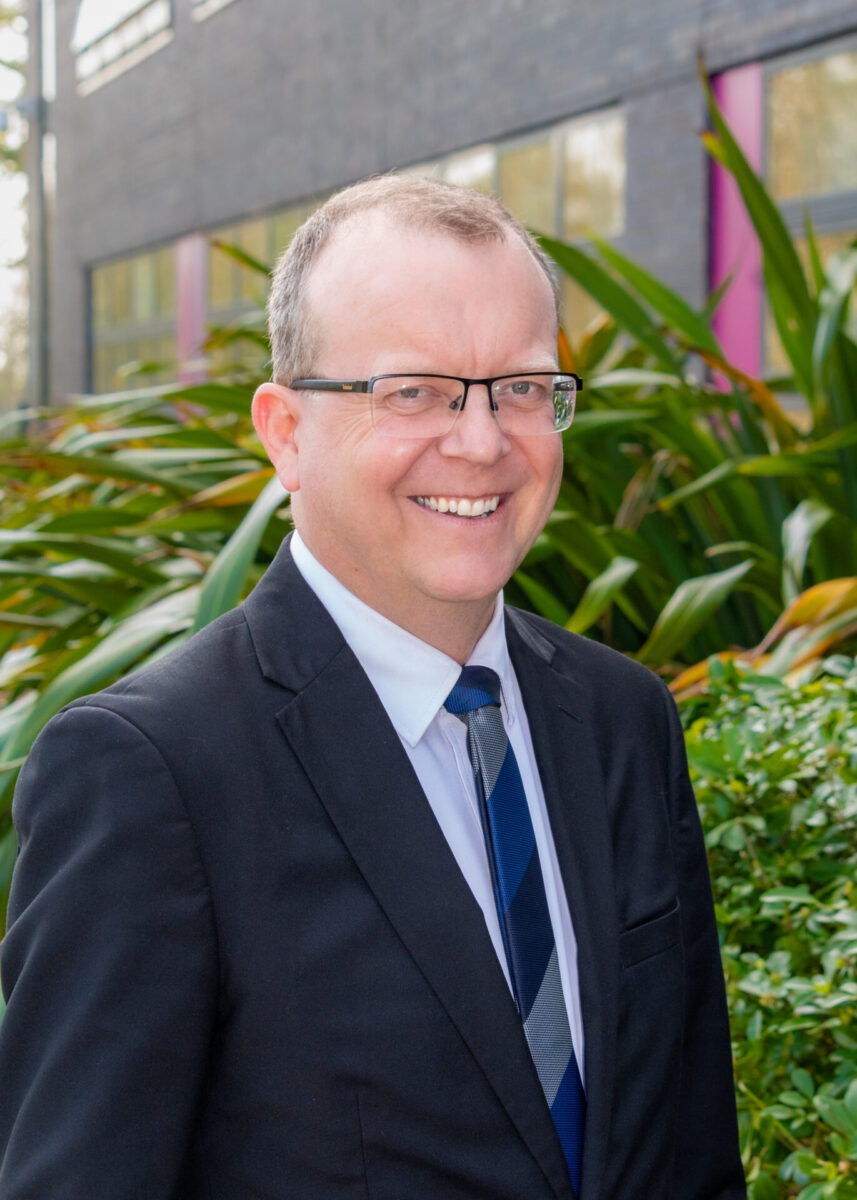
Paul works at the intersection of faith, community and social action, supporting people experiencing homelessness, mentoring young people and university students, working with refugees and other communities, and bringing churches and organisations together to tackle local problems. He is an Ecumenical Canon of Winchester Cathedral, an NHS chaplain and recipient of the City of Southampton Award.
But his journey began somewhere very different.
From fighting at school to fighting for Southampton
Paul describes himself as a difficult child at school. Growing up in Kent, he says he was often more interested in fighting and messing around than studying, sometimes turning up simply to cause trouble.
But at 15, something changed. After getting into another fight, Paul felt guilty about what he’d done. He then heard a teacher talking about forgiveness through God.
“It was a real turning point,” he recalls. He became a Christian and has not been in a fight since.
The change also affected his attitude to education. For the first time, he began taking his studies seriously, achieving good GCSE results before going on to do A-levels, which eventually brought him to Southampton.
Here, he joined the Christian Union and found a group of people who not only shared his faith, but his desire to make a difference.
It was the beginning of a different kind of education.
From engineering to community work
After completing his degree, Paul went on to work at the University’s Institute of Sound and Vibration Research (ISVR).
He enjoyed the technical side of the job, but increasingly found that the work he was doing in his spare time – volunteering through his church, working with young people and supporting families – was more fulfilling.
Eventually, a leader asked him to come and work for the church.
Paul took the opportunity and has never once looked back. And despite leaving engineering behind, his engineering mindset never left him. He approaches community problems as a project manager: identifying a problem, working out what needs to change, allocating the right resources, and getting it done.
This combination of faith and practical problem-solving has become central to his work.
A city worth committing to
Over the years, there have been many opportunities for Paul to take on wider regional and national roles. Instead, he chooses Southampton, inspired by the example of a Salvation Army leader he met in Amsterdam, who committed herself to serving just one city, and serving it well.
His work has included supporting refugees and asylum seekers, working with the international community, mentoring students and young people, campaigning for foster carers, and supporting people experiencing homelessness. For Paul, the principle is simple: listen to people who are often not listened to, and take their concerns to those who have the power to do something about them.
One example began in a Southampton cemetery. Paul met a person experiencing homelessness, who was sleeping there simply because it was the only place he could access fresh water – the cemetery had a tap for flowers.
Paul took the issue to influential people in the city, pointing out the irony that there was water available for flowers for the dead, but not for people who were still living.
Within months, a public tap had been installed. It’s the kind of practical change Paul believes can happen when someone simply takes the time to listen.
Investing in the next generation
Young people are another major part of Paul’s work.
Through Young Life, a global youth charity, he has helped develop mentoring work in Southampton’s secondary schools.
The idea is straightforward: provide young people with trusted adults who will invest time in them. Over the past few years, he estimates he has personally mentored over 100 young people.
He also sees enormous potential in university students. Some have worked on projects connected to homelessness, while others have helped with communications, social media, video and practical research.
Paul loves the energy students bring. “They arrive with fresh ideas, digital skills and perspectives shaped by different disciplines, cultures and experiences,” he says.
But he believes the relationship benefits students just as much as it benefits the organisations they work with.
They can gain practical experience, training, responsibility and material for their CVs, while developing confidence and learning how to work with people outside the university environment.
For Paul, it is a “win-win-win”: community projects receive valuable help, the University strengthens its relationship with the city, and students gain experience and mentoring.
The Night Light Café
Paul believes homelessness is about more than financial poverty. There can also be a poverty of relationships, and a poverty of belief in yourself.
Through the Night Light Café, he encourages people to do more than simply hand money to someone on the street. His suggestion is simple and can be applied to any established homelessness project: spend your money buying ingredients for a meal, then go and cook and serve it.
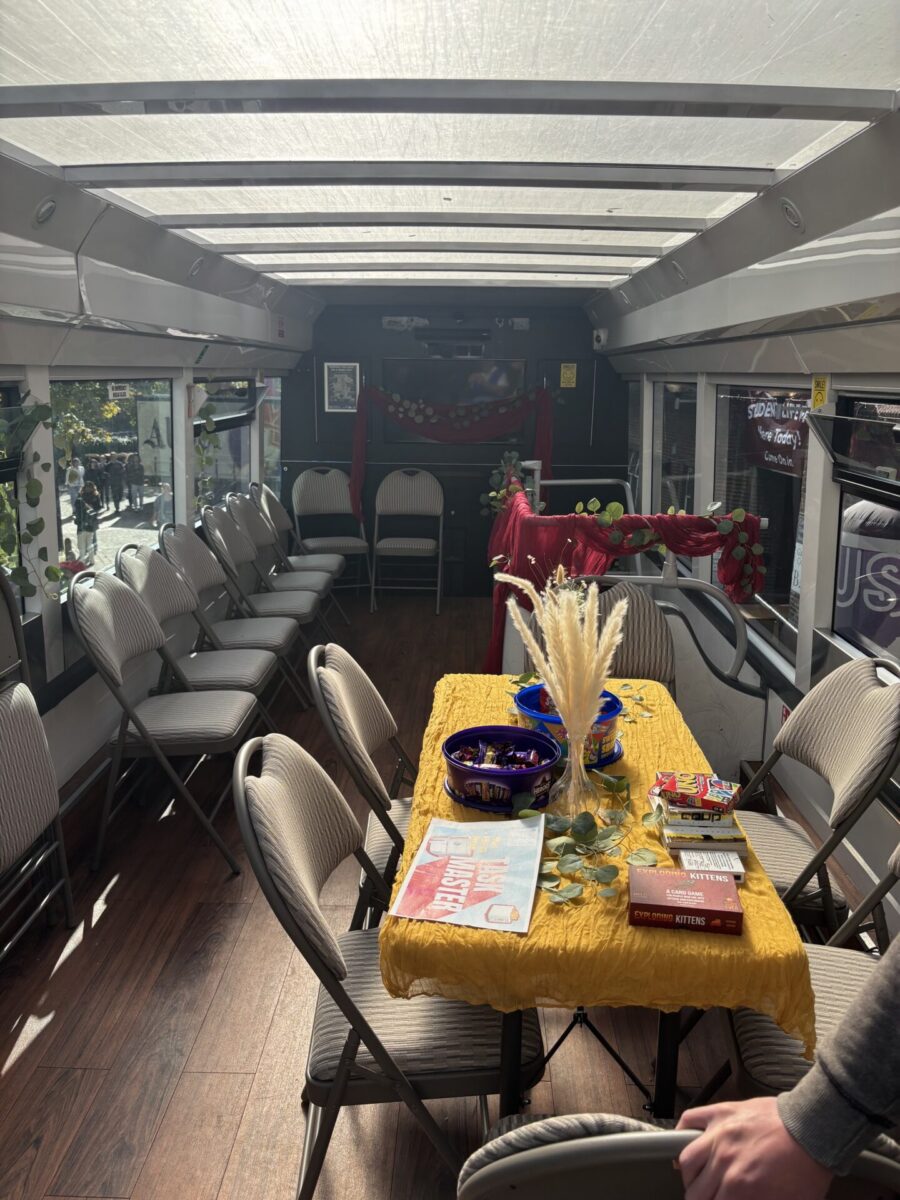
Because, he says, “The food matters, but so does what happens around it – conversation, friendship and the possibility of connecting someone with further support.”
One experience brought that home particularly strongly. A person Paul knew through the café was admitted to hospital during a serious mental-health crisis. Paul visited because he suspected they might have nobody else coming to see them.
The person had no clean clothes to change into, so Paul helped get some.
Other café volunteers began visiting regularly.
Later, the person told Paul that those visits had made a significant difference to their recovery and wrote a letter of thanks.
The experience helped inspire a new project to visit homeless people in hospital, now – thanks to Paul’s efforts – supported by government funding.
For Paul, it demonstrated something fundamental: sometimes what a person needs most is to know that somebody cares.
The Miracle Street Bus
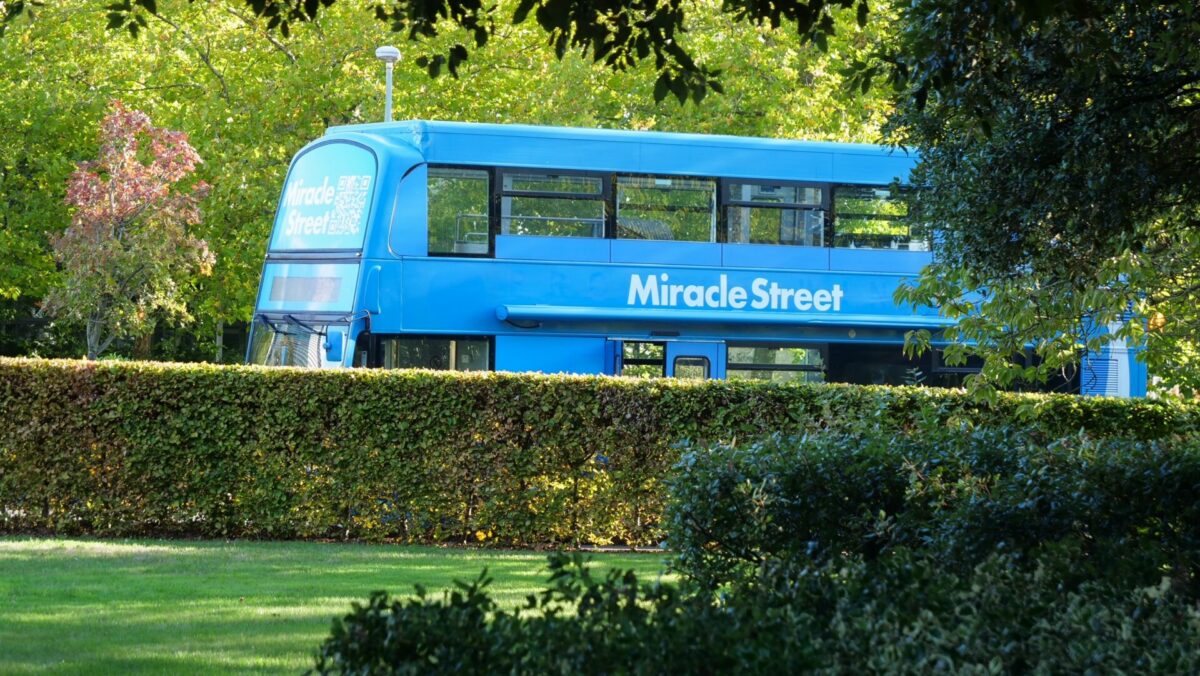
A commitment to taking practical action beyond the walls of the church is at the heart of Paul’s work with the Miracle Street Bus.
The bus has become a distinctive part of Southampton’s community landscape, providing a mobile space for engaging with young people, students and people in the city’s night-time economy. During Freshers’ periods, Paul and his team have used it to create a welcoming place where students can meet, talk and find support.
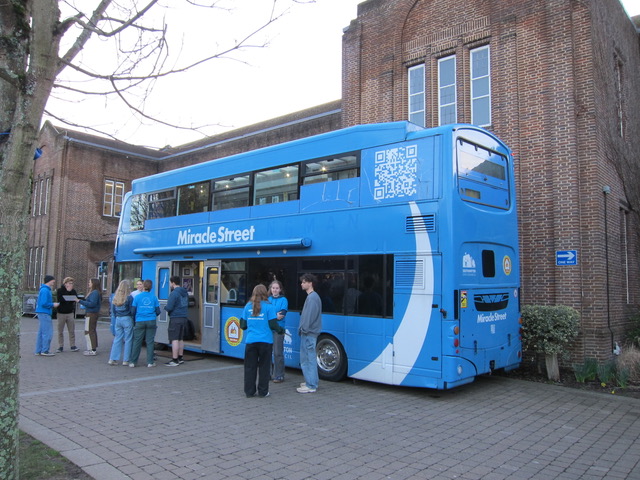
More recently, the bus has also become part of Southampton’s wider efforts to keep people safe at night. Working with city partners, it provides a designated safe place for anyone who feels vulnerable or unsafe, needs support or is waiting to get home.
For Paul, its value goes beyond what happens on the bus itself. It creates an opportunity to meet people where they are, build relationships and offer practical help – while demonstrating the Christian belief that every person is valued.
The project also reflects Paul’s instinct to bring different groups together. Churches, universities, city organisations, volunteers and students can all play a part.
And, true to his engineering background, Paul is already thinking about how the bus could be used in other ways to serve the city.
Hope for Southampton
For Paul, though, the bus represents something bigger than transport – it’s a way of creating community wherever it goes.
And perhaps that’s the thread running through his entire story.
From a teenager who once went to school looking for a fight, to an engineering graduate who could have pursued a conventional career, Paul has spent his adult life trying to connect people, listen to those who are overlooked and turn good intentions into practical action.
His message is uncomplicated but powerful:
Listen to people.
Believe that they matter.
And then do something practical.
How you can help
To find out more about Paul’s work with City Life Church, visit:
Welcome Hall – City Life Church – Southampton