An update on the Institute for Medical Innovation
Last issue, we told you all about the launch of our biggest ever fundraising campaign, to raise £50m to build the Institute for Medical Innovation (IMI). A lot has happened since then, and now it’s time for you to get involved.
The IMI is about getting life-changing treatments to patients faster. Families are waiting – and while technology is advancing at pace, medical science must keep up.
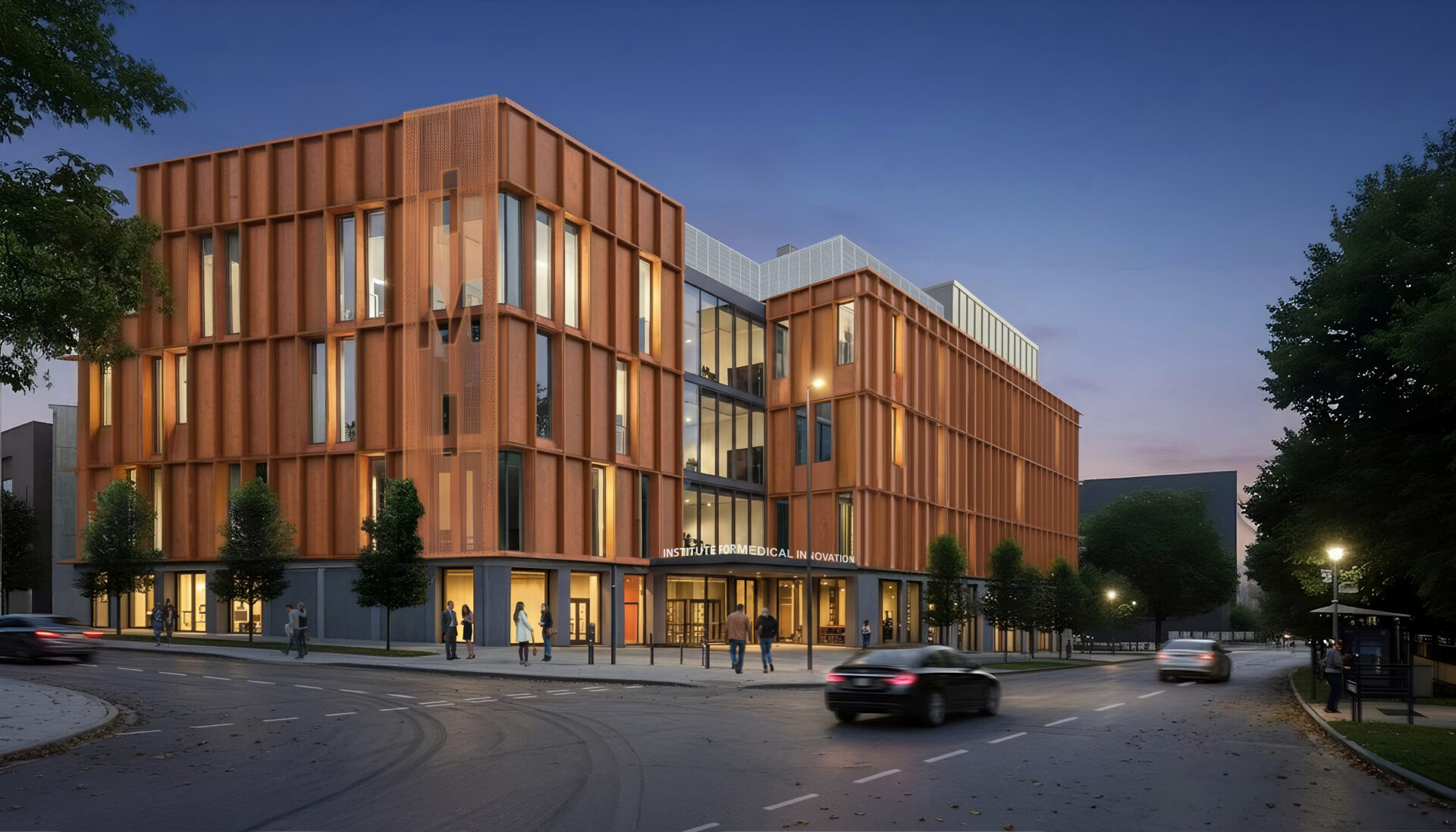
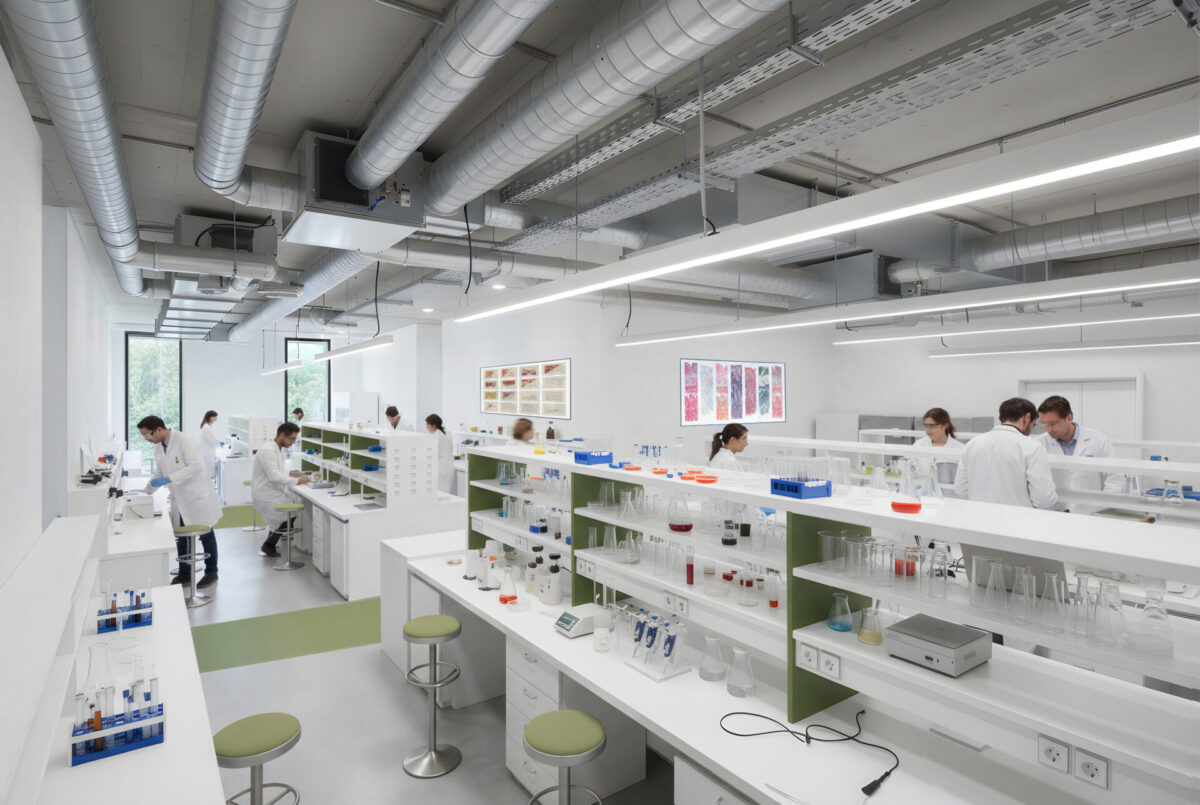
Southampton is perfectly placed to make this happen. At the heart of a major hospital, the IMI will bring scientists, doctors, engineers and data experts together under one roof. Working side by side and using the latest technologies, they will accelerate discovery from lab to patients.
The result will be smarter drugs, innovative devices, and kinder treatments for cancer, dementia, and other devastating diseases – reaching patients in years, not decades.
Read our medical innovation research news
How much have we raised?
We’ve already raised an astounding £12m, leaving £38m remaining to fundraise by 2030. Our community of donors is supporting us with kind gifts at all levels.
One of these gifts is a generous £1m donation from alumnus James Vernon and his wife Mindy to fund the Digital Collaboration Hub in the IMI. This facility will house high-performance computers and bioinformatics software and specialists. It will bring together medical data from across the University and hospital in a secure research space.
How can you get involved?
Back in 2017, members of our amazing alumni and supporter community like you helped us to build the Centre for Cancer Immunology, which is saving and improving the lives of people with cancer. We couldn’t have done it without you.
Now we are scaling things up. The IMI will bring new technologies and disciplines to bear on cancer diagnosis and treatment, as well as dementia, sight loss, infection, and respiratory and allergic conditions.
We’re asking our wonderful alumni and supporter community to help us build the IMI. There are many ways to do this:
- You can be curious and find out more
- You can help us spread the word by telling friends, family and colleagues about the IMI or sharing our posts on social media
- You can give a gift to the IMI here
- You can support the IMI as a community fundraiser
Community fundraisers can raise funds for the IMI through all kinds of activities, from bake sales to sky dives, and from hosting charity balls to running marathons.
To get involved, all you need to do is decide what your activity will be. Then set up a simple Just Giving page and start encouraging your friends, family and colleagues to give! All the information you need to get started is here.
An interview with one of the very first IMI community fundraisers, Professor Diana Eccles
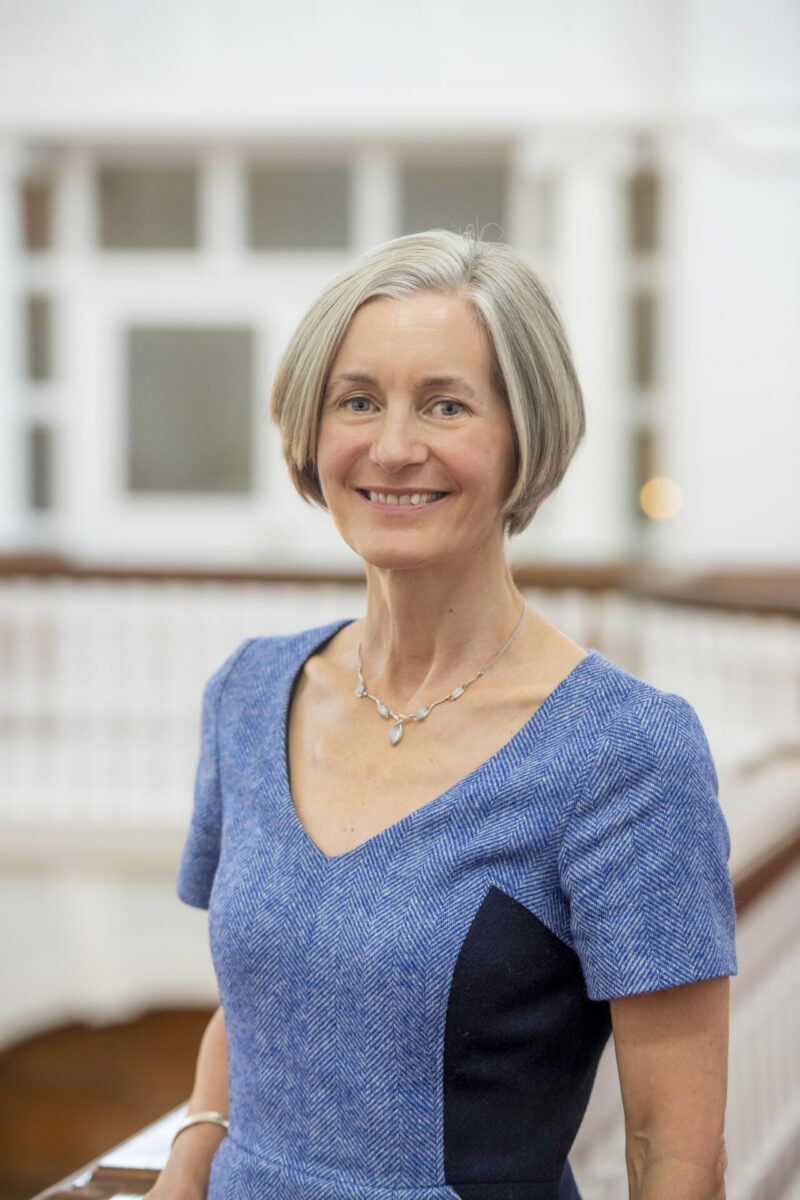
Diana was the Dean of Medicine at the University of Southampton for eight years, before retiring this summer. She has been instrumental in driving the IMI forward, playing a crucial role in the vision and delivery of the building. She’s also given personally to the IMI. In May, Diana became one of the IMI’s first community fundraisers, holding a yoga class for staff and students on campus.
Why is the IMI so important to you?
Essentially, we must change the pace of discovery and the implementation of solutions to major medical challenges, which will benefit more people and families. I have spent my career working with patients who have a high risk of cancer due to genetic predisposition and seen rapid changes in what can be done to prevent disease but I’ve also had awful experience in my family with dementia.
My mother-in-law died of Alzheimer’s not very long ago, and then my own mother had a stroke and has vascular dementia. So, two different sorts of dementia, but equally devastating.
How will the IMI benefit patients?
I truly believe the IMI is going to change the outlook for patients with diseases like cancer and dementia.
Within the IMI we’re going to bring people together from disciplines right across the University; medicine alone will not solve these knotty problems. The IMI offers a physical hub where a real melting and melding of ideas and novel approaches will bring new insights and solutions to tackle diseases.
With disciplines like computer science, AI, mathematics and engineering coming together, it will drive new, innovative approaches forward.
The emphasis over the last few decades has been about increasing longevity, but that’s now shifting to not just quantity, but quality of life. That’s why a big focus of the IMI will be on early detection and prevention. If we can detect things earlier and intervene to stop or at least slow progression, we will be able to improve the quality of the years lived.
Why did you decide to hold a yoga class to fundraise for the IMI?
I started appreciating the benefits of yoga (strength, flexibility, stamina and very importantly, calmness!) during the pandemic lockdowns. I started a routine of an hour of early morning yoga to start my days.
I’ve kept up with the daily yoga, even if it has to be a short 15-minute session on a weekday.
I decided to take the yoga a step further and learn more about the history, philosophy and technical aspects and eventually qualified as a yoga instructor last summer. To make sure I don’t forget how to guide students through a practice, I invite friends and acquaintances who live in the same village as me to join me at weekends (they are very happy to be guinea pigs!).
People seem to enjoy it, want to come back for more and they are happy to make a donation rather than pay for a lesson. So I thought why not hold a session to fundraise for the IMI at the University?
What would you say to other people wanting to get involved with community fundraising?
I wanted to practice teaching yoga and I was also keen to introduce people to the plans for the IMI, but wasn’t sure how to engage people and encourage them to consider supporting the project.
Fundraising via a Just Giving page has allowed people to donate the cost of a lesson (around £10) to the IMI project, so it helped me to meet both of those objectives. The page is really easy to set up, people can be very generous and some give much more than the cost of a lesson.
As I complete my term as Dean, I am thrilled that alumna Professor Charlotte Summers will be the Faculty’s new Dean of Medicine. As for me, I am very much looking forward to having less work and more time for other things that I enjoy (including more yoga). The local cycling group has asked me to help them with some yoga for flexibility, so that will be the next challenge.
To find out more about the Institute for Medical Innovation and how you can support it, visit fund.southampton.ac.uk/innovation